Are you thinking about delivering our Acting for Screen exams but wondering where to start? In this blog we share some fun ideas and activities you could use in your lessons to prepare candidates for this exam.
Getting started
-
As a starting activity you could watch a great screen performance(s) as a group and discuss it. There are lots of clips on YouTube you could watch. Think about what you learned about pacing, eyelines and stillness from doing this. Maybe you could even try and create your own version by choosing a short scene (1–2 minutes) from a TV show or film, and recreating it shot-for-shot, using your own location, props etc. Try to match the camera angles, movement, blocking, and timing.
-
Creating your own ‘advert’ can be a fun early session. Students can come up with their own ideas, storyboard the advert and then film it. You can have a screening of the adverts when completed, and there is lots of opportunity for discussion afterwards about what they have learnt.
-
If you wanted to explore storyboarding, you could show your group a short clip (30 seconds to 2 minutes) and then pause frequently and ask your students to sketch what they see in storyboard panels. You could then discuss shot choices, composition, and transitions.
Building technical understanding
-
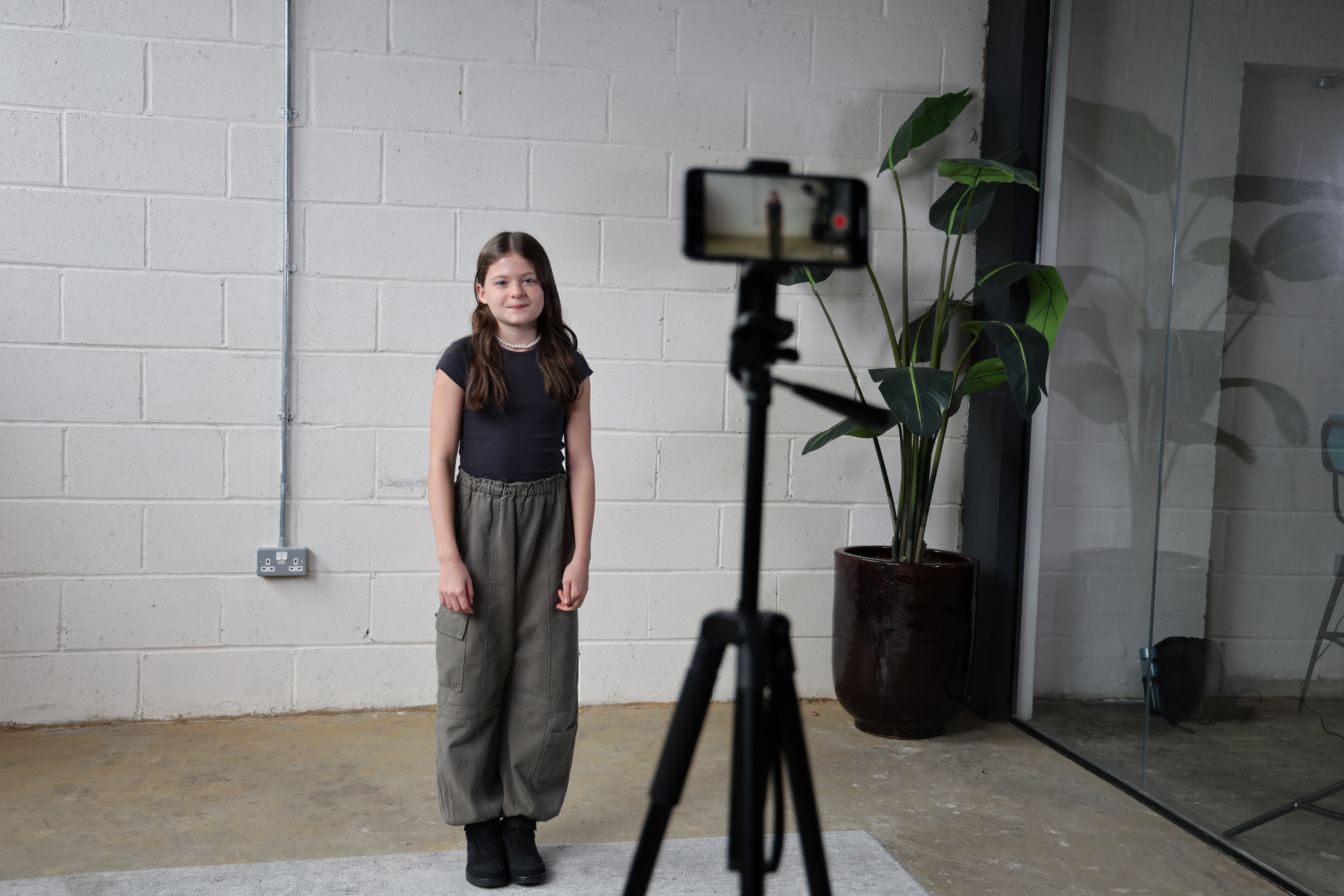
Your students will need to know about how to frame different shots for the exam tasks (mid, close-up, wide shot). There are some resource videos on our website that can help with this. To get used to working in different frames you could practice doing the same scene in different shots, these could be scripted or devised or maybe even improvised by your students, and then discuss as a group what are the challenges are, how does filming in a wide shot feel different to closeup? How does it change your performance?
-
Your students will also need an awareness of eyelines. The eyeline is the direction of the performers gaze which helps the audience to understand who or what they are looking at. An exercise you could do with your students would be to pick a fixed point (like a sticky note on a wall) and record them doing a monologue while looking at the mark. Then they could try slightly shifting their gaze to simulate different characters/positions, discuss how natural or awkward your eye movements look when watching the recording back.
-
If possible, in rehearsals you could connect your camera to a TV or screen so that the whole group can see what is being filmed, this can lead to lots of opportunities for exercises and also group discussions. For example, you could do practice takes, connect the camera to a TV/screen, and encourage candidates to try another intonation, or change their eye line on a certain line, and then discuss as a group what difference this can make.
Developing on- screen performances
-
One of the most important skills to build early on is getting used to being in front of the camera. It is important to relax as the camera will pick up on everything you do, every eyebrow move or when you scratch your nose will be blown up. You could think about teaching students to do some facial relaxation exercises, such as facial massage, relaxing the jaw, doing tongue twisters or mouth exercises before filming to reduce any tension in the face which would be amplified by the camera.
-
For screen acting exams, candidates need to be able to go straight into the emotion of a scene with no build up, unlike in theatre. Another big difference between theatre and screen acting is that you are often performing to someone who is off-camera, and sometimes that might not even be your scene partner; it could be someone just ‘reading in’ the lines. You could work on acting techniques that help with this, for example imagining the moment before the scene took place.
Or you could choose a scene and ask your students to focus on what their character is thinking before speaking. Ask them to pause slightly before each line, letting the thought form in their head. When watching the scene back ask them to consider whether the line feels like a response to something, or a rehearsed monologue? You can find lots of other drama games and character building exercises in our Drama Games resource.
Working in groups
-
Although Acting for Screen exams are only available for Solo candidates, there are lots of ways to deliver in a group setting. You can pair up candidates to rehearse scenes, such as the Duologue or Listening task. The Dialogue task is a great opportunity for pair work as two candidates can learn and rehearse a duologue and read in for one another. To begin this task, you could watch some scenes where one character is off screen (e.g. a phone call) and discuss how this works, how they convey what is happening off screen.
As an exercise your student could record the other lines of the phone call and practise with the recording, this way they will have to work with the fixed timings of the recording. You could also consider filming both candidates performing their lines and then edit them together so you can see what the finished version would look like.
-
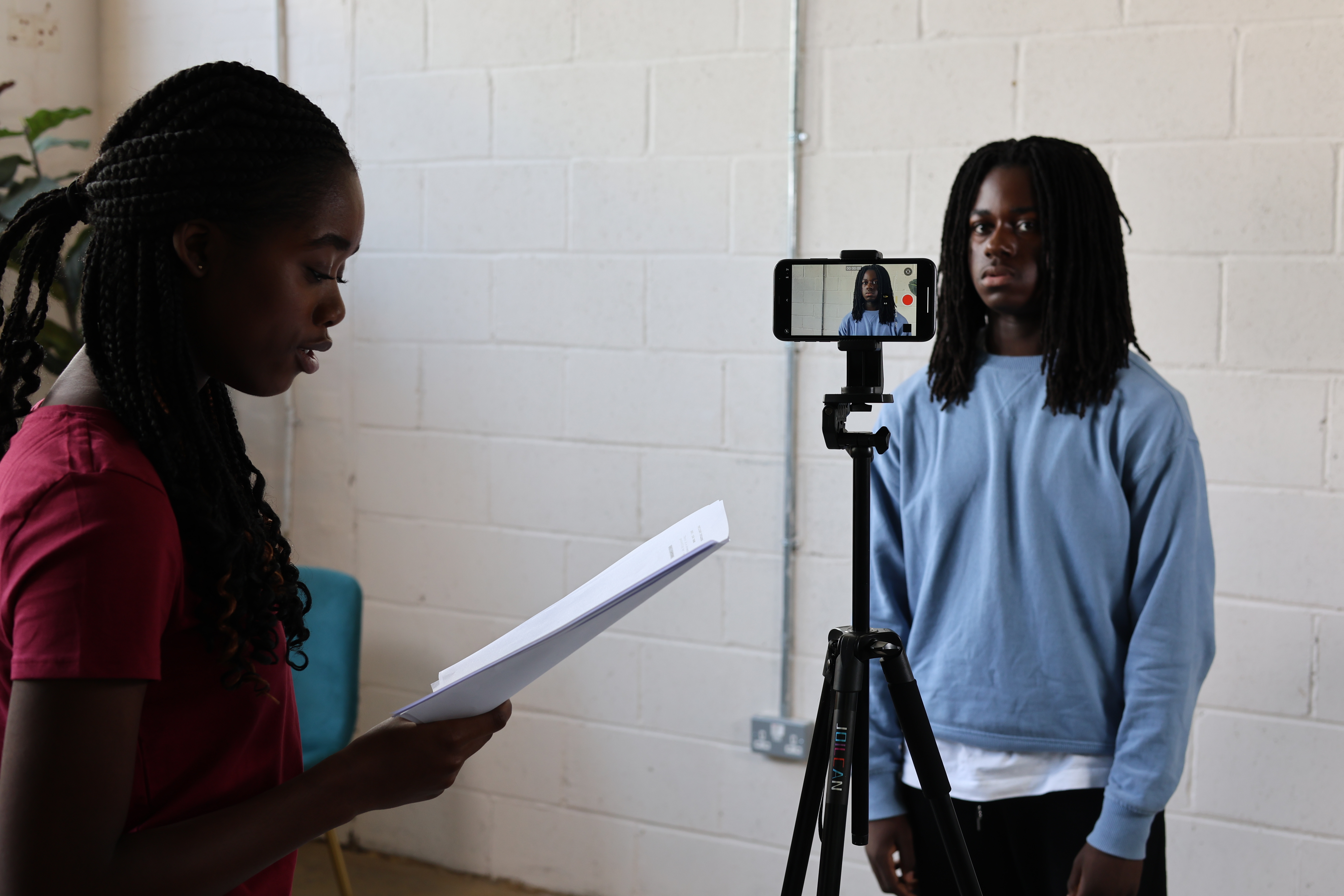
Students can also film one another, when working in a group setting, and through doing this learn about the technical aspects of filming such as shots, eyelines etc from the other side of the camera.
-
In the ‘Playback Review’ task candidates are asked to watch their own screen performances in order to evaluate and develop their performance and technical skills. A good way to develop these reflective skills is through watching back takes as a group and encouraging discussion, you can set the tone for this by leading the discussion and using positive open questions such ‘what did you like?’ and ‘what do you think could be improved?’ Hearing positive feedback from peers/teachers can be beneficial for students’ confidence. Remember to encourage your students to review not just their performance, but technical aspects ie, is the eyeline correct, is the lighting and sound at the right level?
For more advice on delivering our Acting for Screen exams download our teachers guide. And take a look at our Acting for Screen support resources.







Comments & Replies